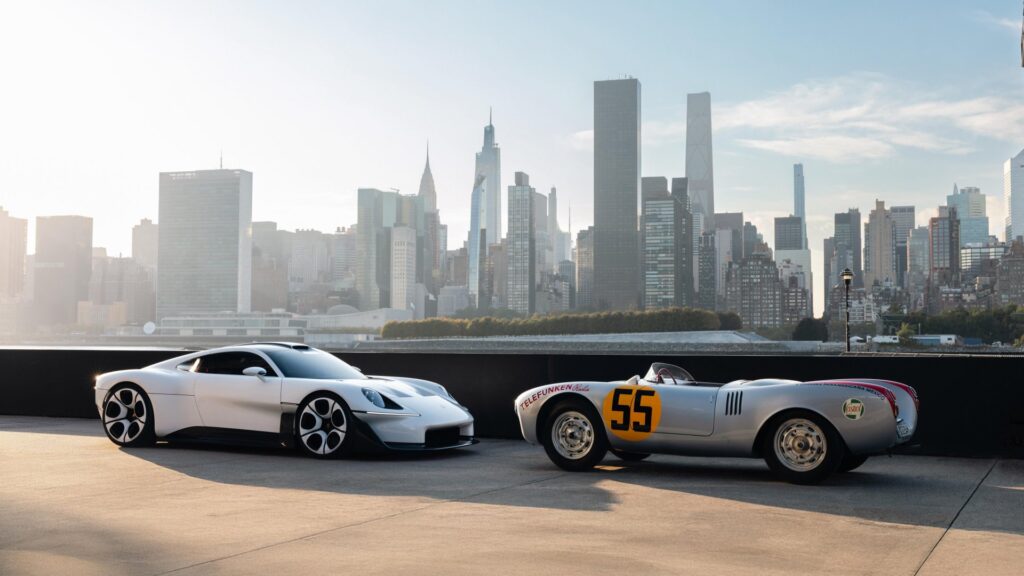
Porsche Mission S: Porsche has unveiled the Mission S, a new vision model that offers a glimpse into the future of the German sports car manufacturer. Revealed in New York City on October 15, 2026, the Mission S introduces an evolved design direction built around Porsche’s racing heritage, driver-focused interiors, and a new mid-engine super sports car platform positioned above the iconic 911.
The unveiling forms part of Porsche’s Sportwagenschmiede ’35 strategic realignment, which aims to shape the next chapter of the brand’s sports car identity. Rather than simply presenting an isolated design exercise, Porsche describes the Mission S as a preview of ideas and design features that could influence its future vehicle lineup.Although Porsche has not announced production specifications, pricing, or a launch date for the Mission S, the vision model provides an intriguing look at how the company intends to evolve its performance car philosophy.
Porsche Mission S: A New Direction for Future Sports Cars
Porsche has built its reputation on recognizable styling, motorsport engineering, and a strong connection between driver and machine. The Mission S aims to preserve these characteristics while introducing a fresh interpretation of the brand’s design language.
According to Porsche CEO Dr. Michael Leiters, the car offers a glimpse of the ideas and design elements that will shape future Porsche models.One of the most significant aspects of the Mission S is its mid-engine super sports car architecture. Porsche says the platform is intended to sit above the 911 in its model hierarchy.Importantly, the company describes this as a potential permanent and versatile addition to its customer offering, rather than a one-off hypercar. However, the announcement does not confirm a production model, technical specifications, or a release schedule.If Porsche eventually brings this platform to market, it could create a new flagship sports car positioned between the established 911 family and the brand’s most exclusive performance vehicles.
Porsche Mission S Design: Inspired by Legendary Sports Cars
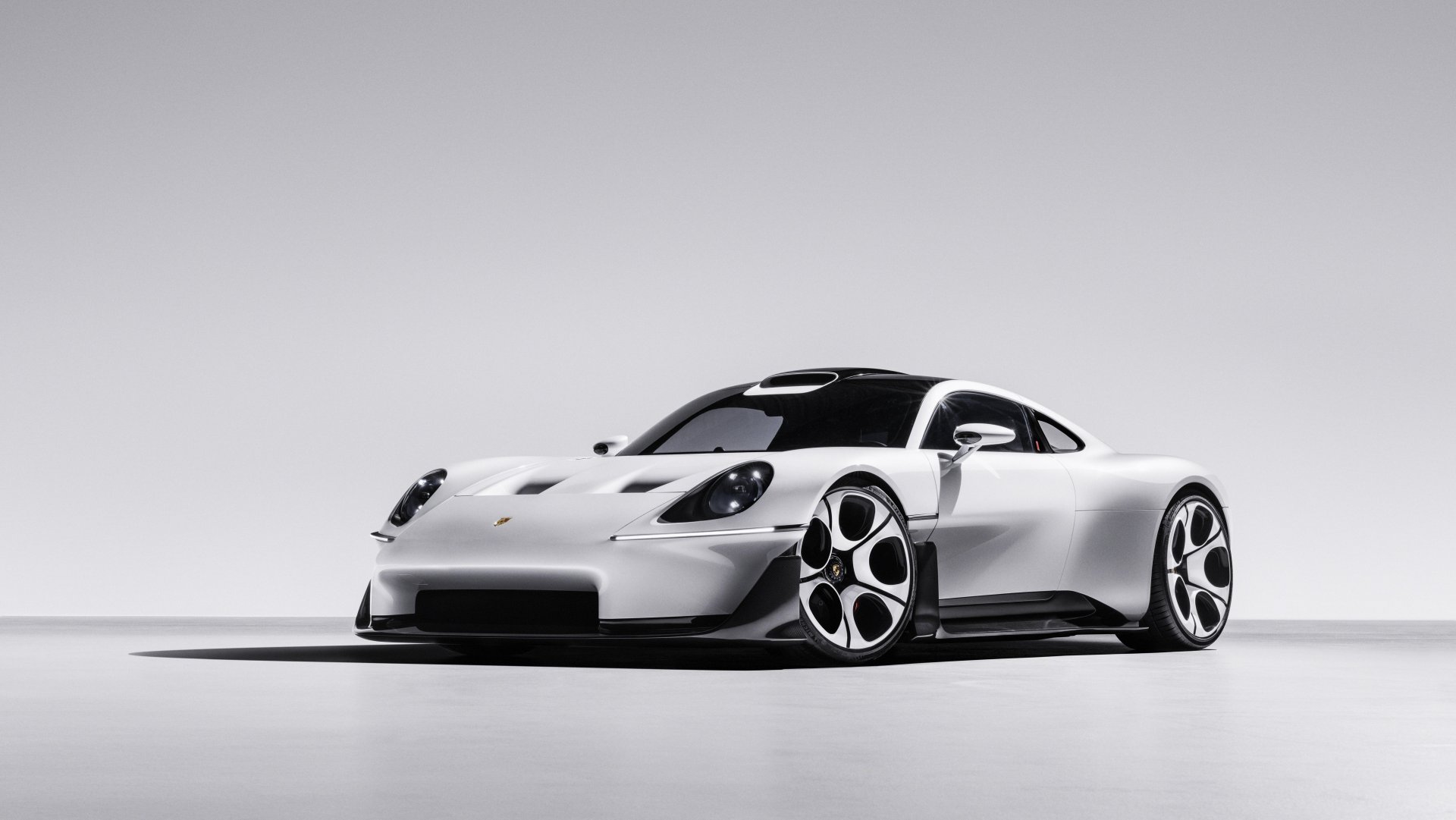
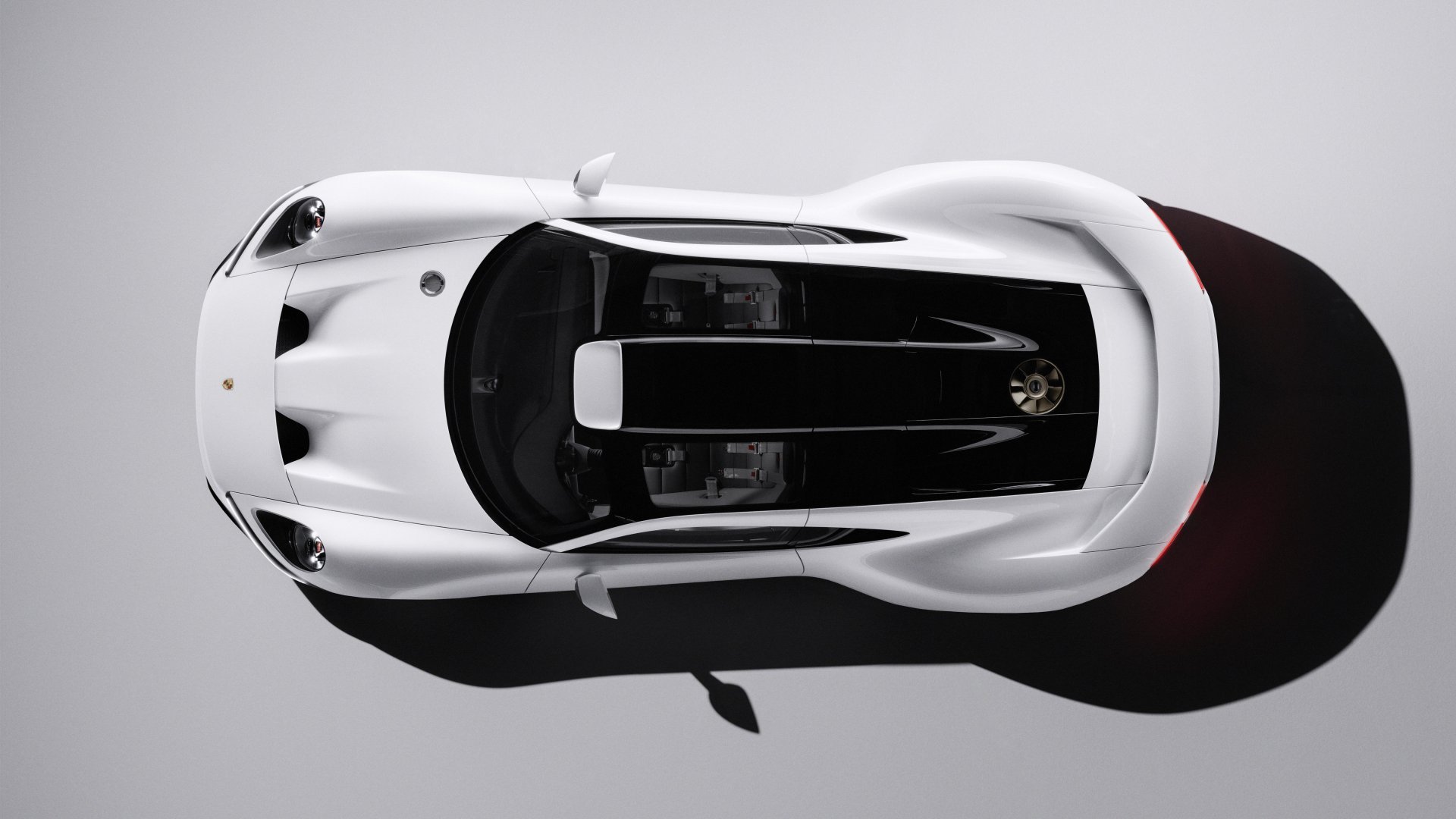
The exterior design of the Porsche Mission S follows three central principles: authentic, consistent, and timeless.Head of Style Porsche Tobias Sühlmann describes the vehicle as the result of a forward-looking, holistic design strategy. The goal is to develop Porsche’s recognizable design identity without abandoning the visual characteristics that have defined the brand for decades.
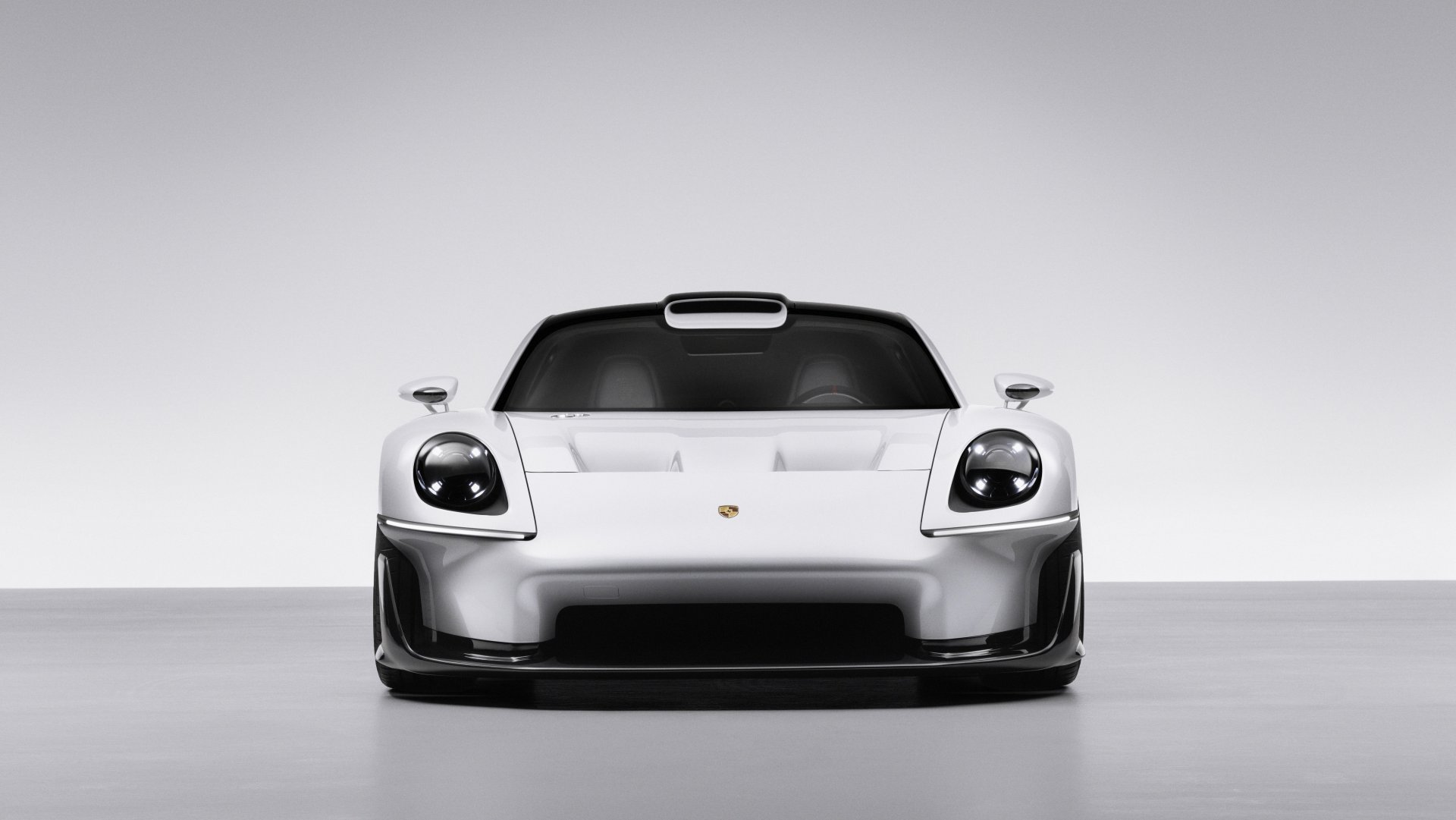
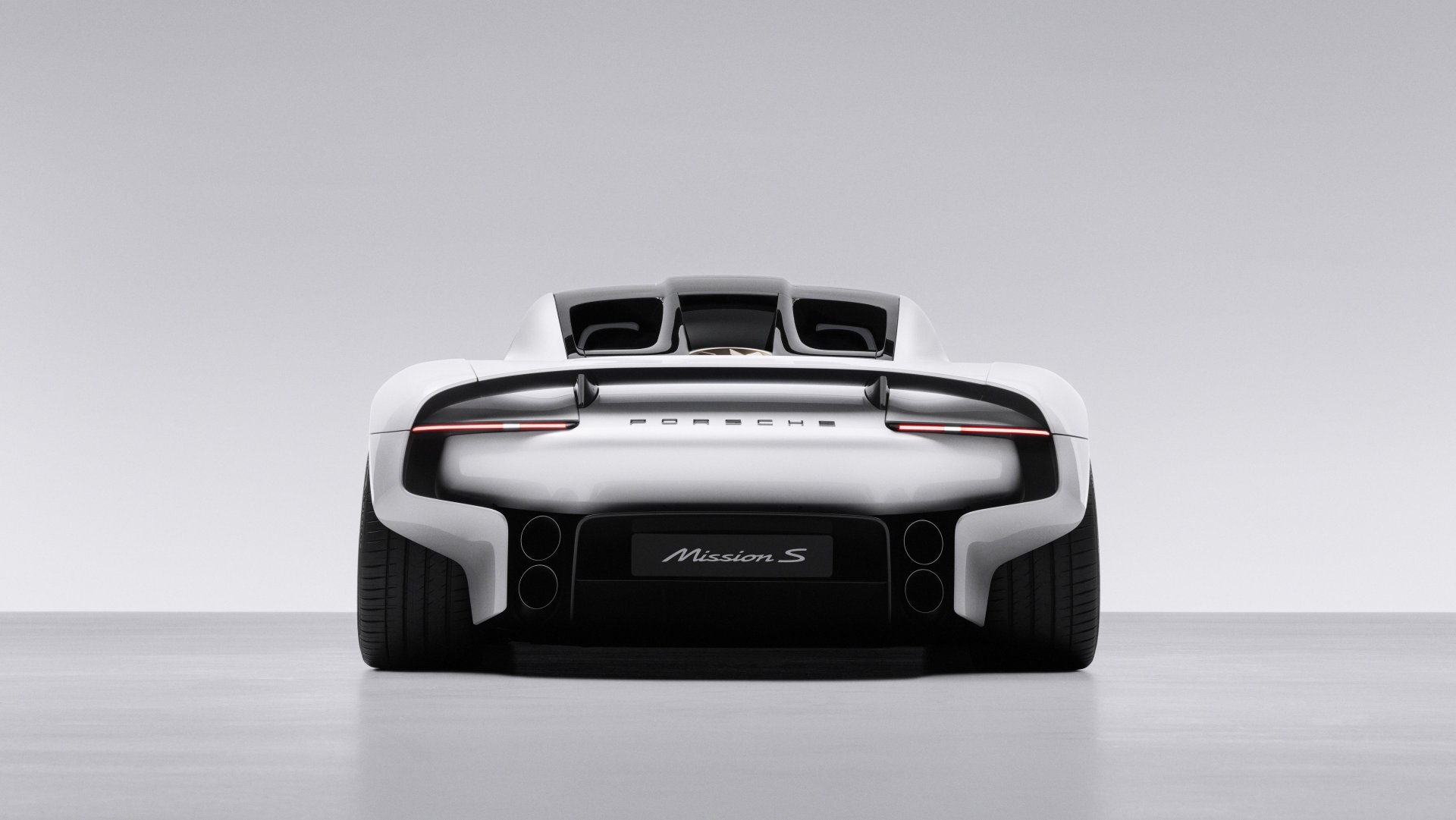
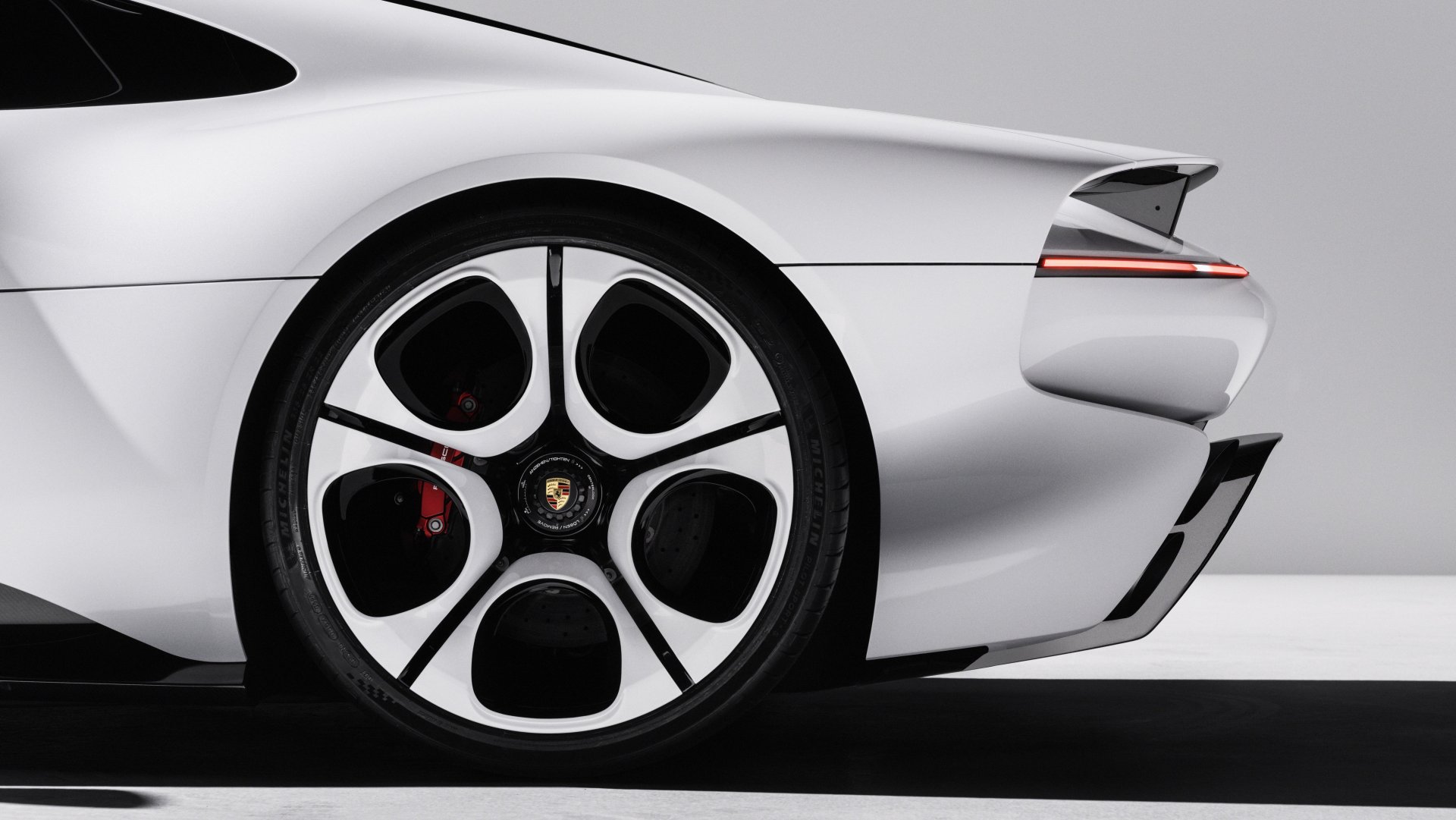
The Mission S features pronounced front fenders, a low-slung body, a distinctive roofline, and a dramatic relationship between its width and height. These elements give the car a muscular stance while maintaining the proportions expected of a high-performance sports car.Porsche also introduces what it calls “floating volumes.” These sculptural body surfaces create a visual separation between the car’s main body forms and its functional details, giving the design a technical and lightweight appearance.Rather than relying on excessive styling details, the Mission S emphasizes clean surfaces and carefully integrated features.
A continuous visual line connects the front and rear light signatures, helping the vehicle appear cohesive from different angles. Above this line, the bodywork emphasizes muscularity and movement. Below it, functional elements highlight the car’s engineering-focused character.
Design Details Inspired by the Porsche 911, GT1, and 959
One of the most interesting features of the Mission S is how it incorporates elements from Porsche’s historic sports cars.The rounded headlights and prominent front fenders recall the familiar proportions of the Porsche 911. The front design also references the 911’s characteristic fender shapes, helping maintain a visual connection with one of Porsche’s most recognizable models.
The car’s front end draws inspiration from the Porsche 911 GT1, while its roofline and rear-wing arrangement evoke the legendary Porsche 959.Porsche also references the G-series 911 through body shut lines that integrate into the lighting graphics. At the rear, a distinctive car-in-car concept takes inspiration from the GT1.These historical references are not direct reproductions. Instead, Porsche combines them into a contemporary design intended to connect the company’s motorsport history with its future direction.This approach could be particularly important as the brand develops new sports cars for customers who expect modern technology without losing the traditional Porsche character.
A Driver-Focused Interior With Analog and Digital Controls
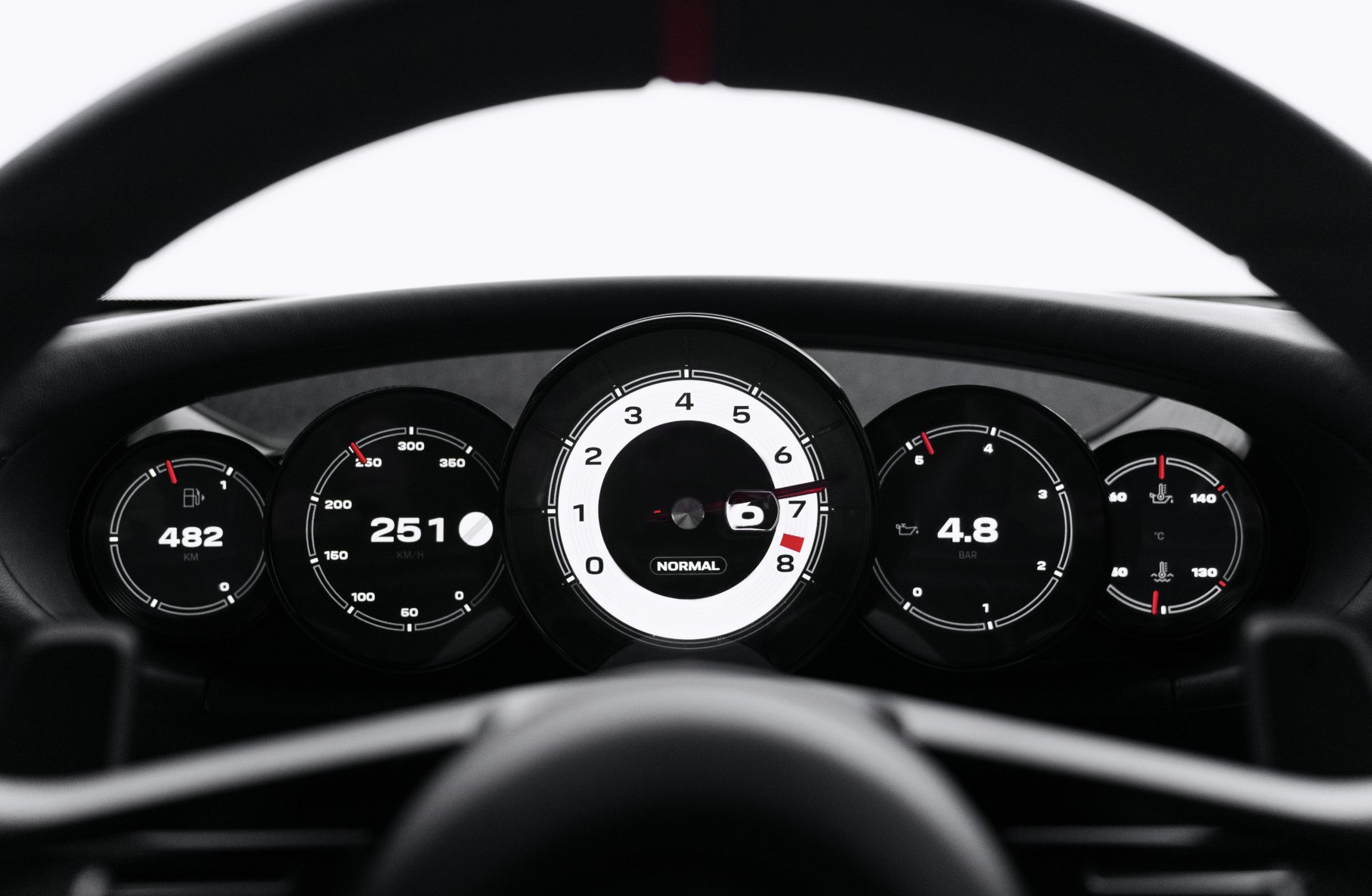
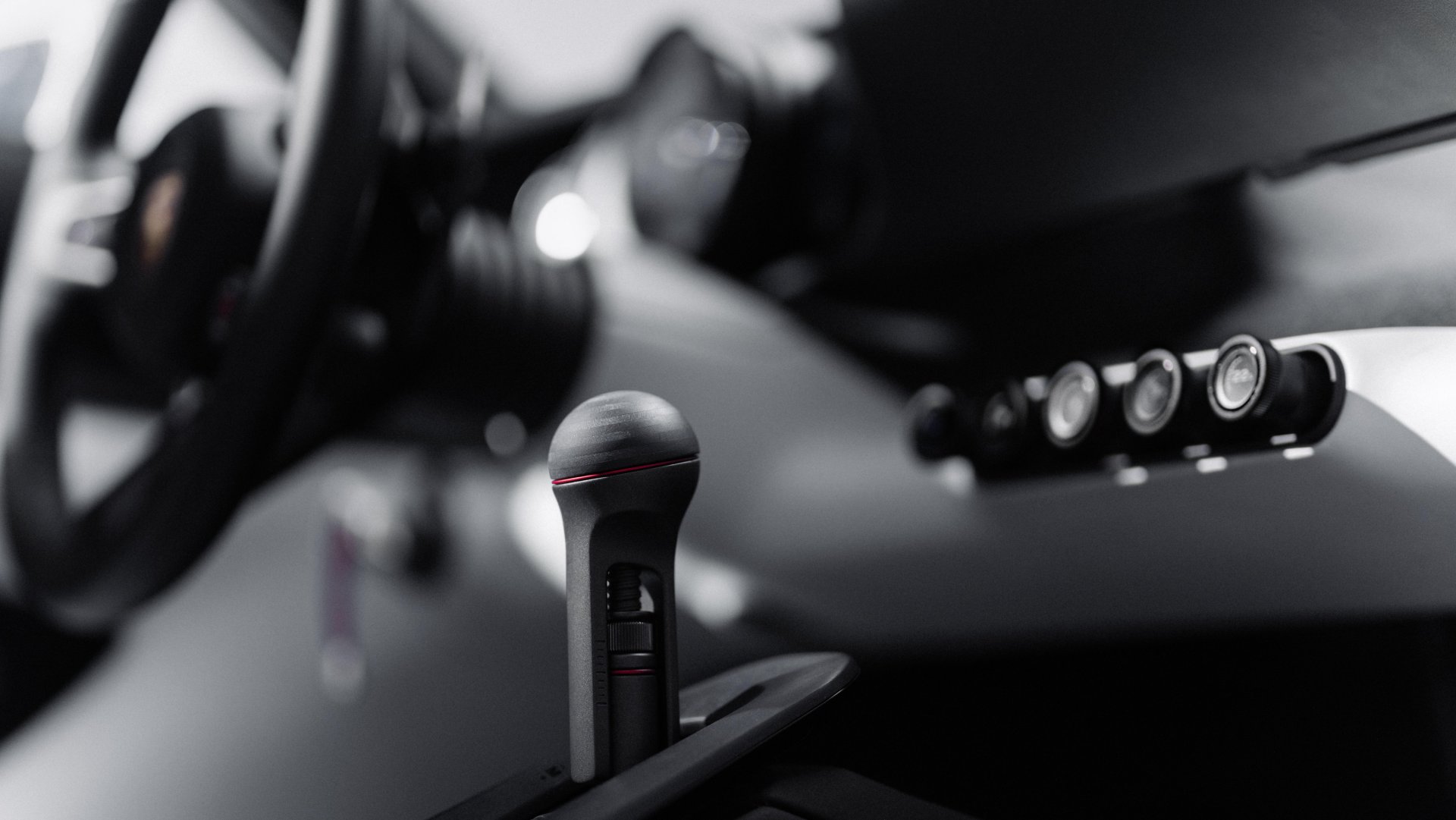
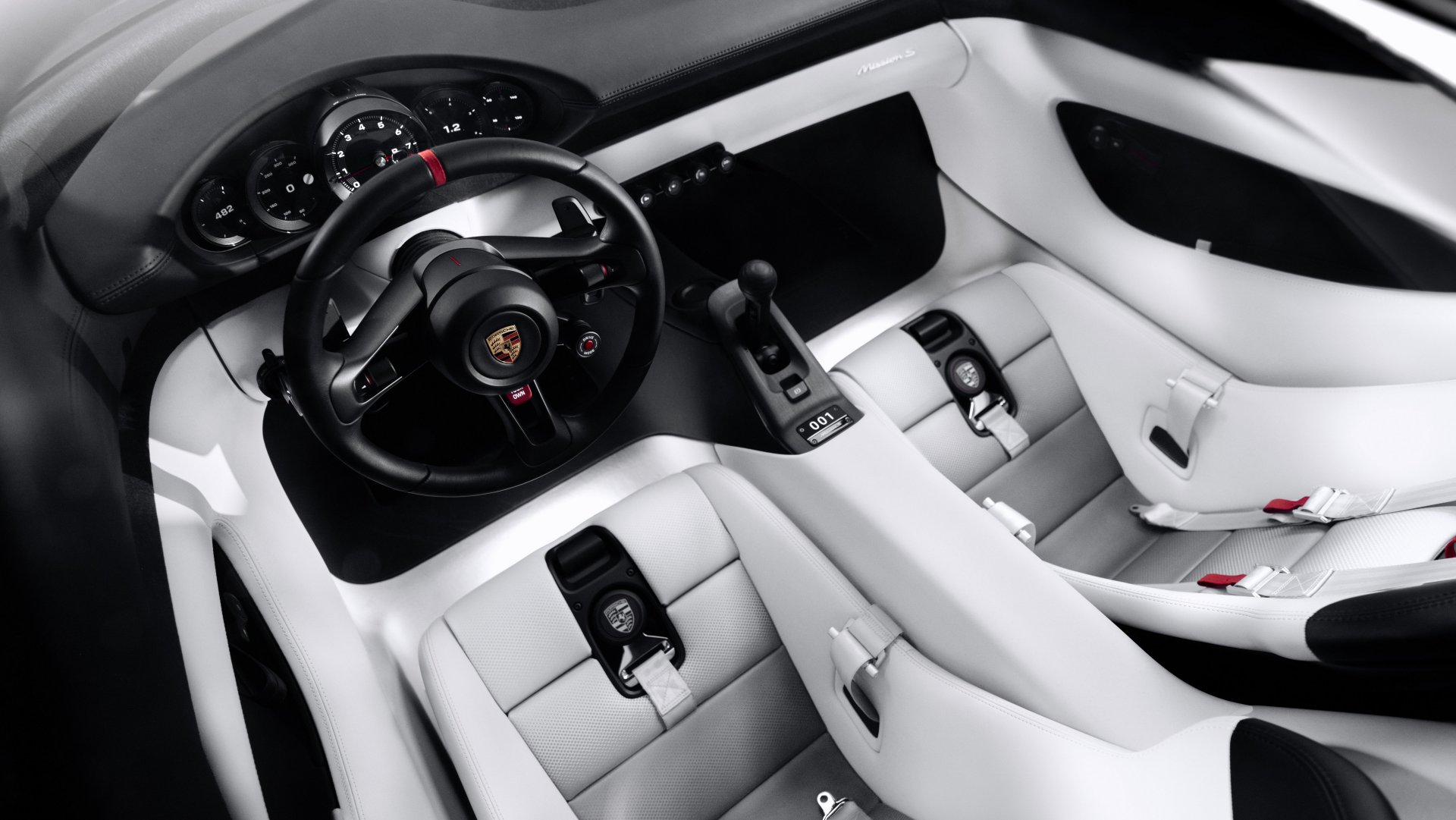
The exterior is only part of the Mission S story. Porsche has also used the vision model to explore how drivers might interact with future sports cars.The interior follows a purist philosophy, emphasizing the driver’s position, ergonomics, and the emotional experience of driving.Rather than covering the cabin with digital screens and touch-sensitive surfaces, Porsche describes a deliberate reduction in digital interfaces. The concept combines analog controls with digital displays to create what the company calls an innovative Driver Experience.
This approach suggests that Porsche wants to preserve physical interaction with important vehicle functions while still benefiting from modern digital technology.For sports car enthusiasts, this philosophy could be appealing. Physical controls can offer intuitive operation and tactile feedback, while digital displays provide flexibility and access to information.Porsche has not yet disclosed detailed interior specifications or confirmed which features, if any, will appear in future production vehicles. Nevertheless, the Mission S demonstrates that the company is considering how technology can support the driving experience rather than dominate it.
Porsche Mission S Specifications: What We Know So Far
The Mission S is currently presented as a vision model, and Porsche has not announced a complete technical specification sheet.
| Category | Confirmed information |
|---|---|
| Model | Porsche Mission S |
| Reveal date | October 15, 2026 |
| Presentation location | Queens, New York City |
| Vehicle type | Vision model for a mid-engine super sports car |
| Platform direction | Intended to sit above the Porsche 911 |
| Exterior design | Inspired by historic Porsche sports cars |
| Interior philosophy | Driver-focused combination of analog and digital controls |
| Engine and power output | Not announced |
| Acceleration and top speed | Not announced |
| Price | Not announced |
| Production date | Not announced |
What the Porsche Mission S Could Mean for the Future
The Mission S signals that Porsche is exploring ways to expand its sports car portfolio while protecting the qualities that distinguish the brand.A new mid-engine platform positioned above the 911 could give Porsche room to develop a more specialized performance model. It could also provide a foundation for a broader range of vehicles, although Porsche has not yet outlined specific derivatives or configurations.The concept’s emphasis on recognizable styling and physical driver controls is equally important. As automotive technology continues to develop, Porsche appears determined to maintain a clear connection between its vehicles and the people behind the wheel.
The challenge will be translating these ideas into a production car that balances performance, usability, modern technology, and the emotional qualities associated with the Porsche name.For now, the Mission S is a statement of intent rather than a confirmed showroom model.
Final Thoughts: Porsche Looks Ahead Without Forgetting Its Past
The Porsche Mission S offers a compelling glimpse into the future of Porsche sports car design. Its mid-engine architecture, references to legendary models such as the 911 GT1 and 959, and driver-focused interior philosophy demonstrate how the company plans to reinterpret its heritage.Its most important announcement may be the proposed mid-engine super sports car platform positioned above the 911. If developed into a production vehicle, it could represent a significant addition to Porsche’s performance lineup.However, key questions remain unanswered, including powertrain details, pricing, performance figures, and production timing.For enthusiasts, the Mission S is worth watching not because it promises a specific set of numbers, but because it reveals how Porsche is thinking about the next generation of sports cars.
Read More: Discover the official Porsche Mission S vision model on the Porsche Newsroom for more details, design images, and insights into the future of Porsche sports cars.