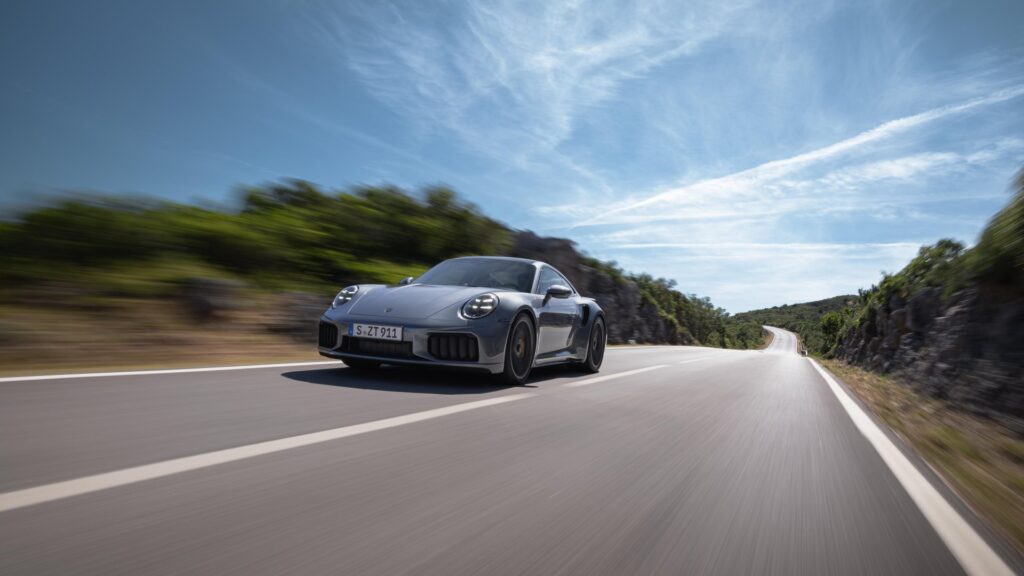
The 911 Turbo S has always been Porsche’s answer to the question “what if a supercar could also be your daily driver?” For 2026, that answer gets a lot more complicated — and a lot more compelling. Porsche has bolted a twin-eTurbo T-Hybrid system onto the flagship 911, and the result is the fastest, most powerful series-production 911 the brand has ever built, without giving up the everyday usability that’s always defined the Turbo S badge.
PROS
- Genuinely faster and more capable than the outgoing Turbo S, on road and track
- Hybrid boost is nearly undetectable in day-to-day driving — no lag, no weirdness
- Still comfortable and usable enough for a daily commute or a cross-country run
- New Turbo design language (Turbonite trim, reworked front end) gives it real visual distinction
- Ceramic brakes, active aero and electrohydraulic roll control are genuinely track-capable, not just badges
CONS
- Heavier than its predecessor by 85 kg, even with a lightweight hybrid system
- Fuel consumption and CO2 figures are unavoidably high for the segment
- Options list can push the price well past most rivals before you’ve even started
- Complexity of the hybrid/eTurbo system means higher long-term maintenance risk
Overall Rating
EXTERIOR DESIGN
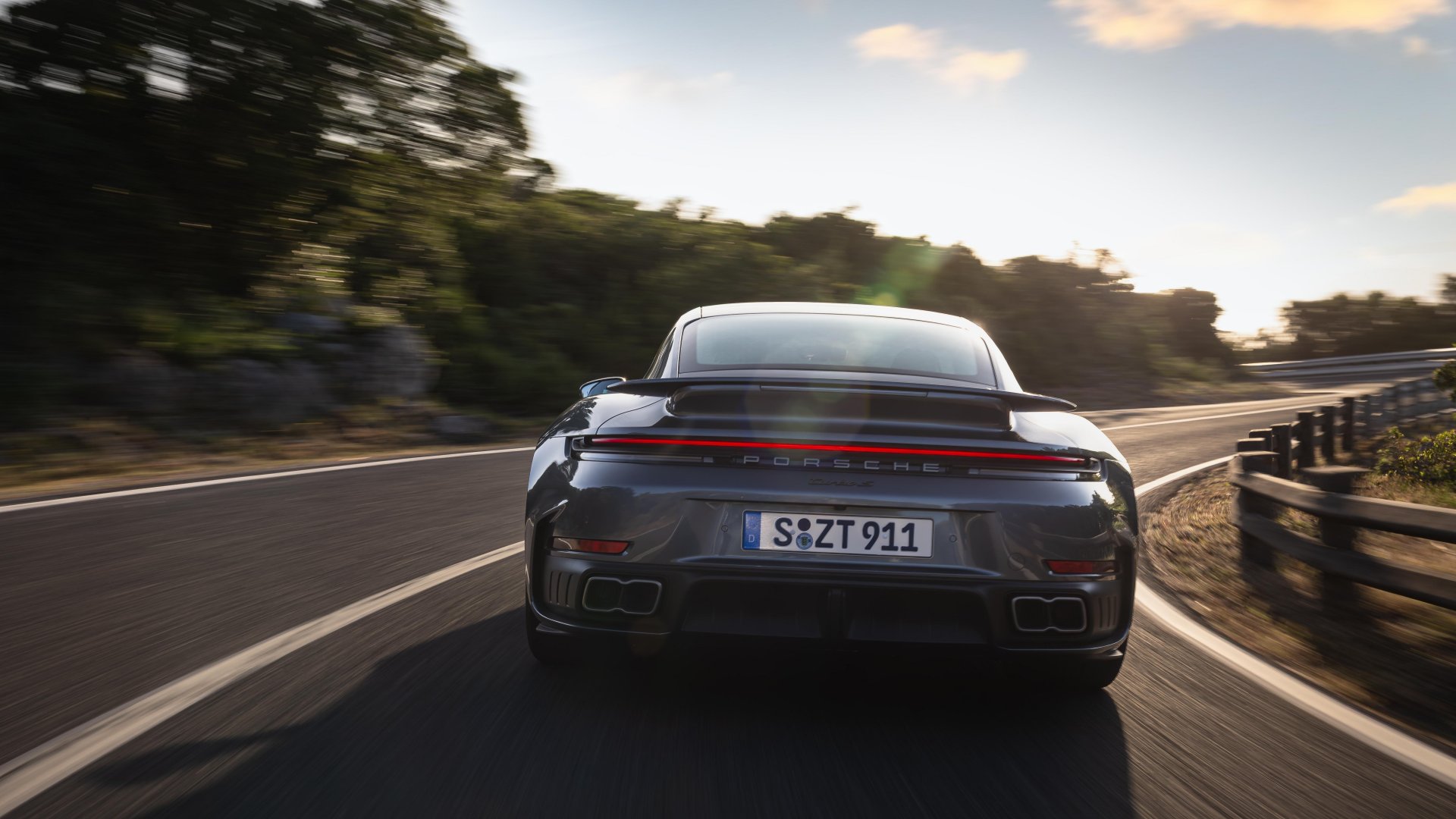
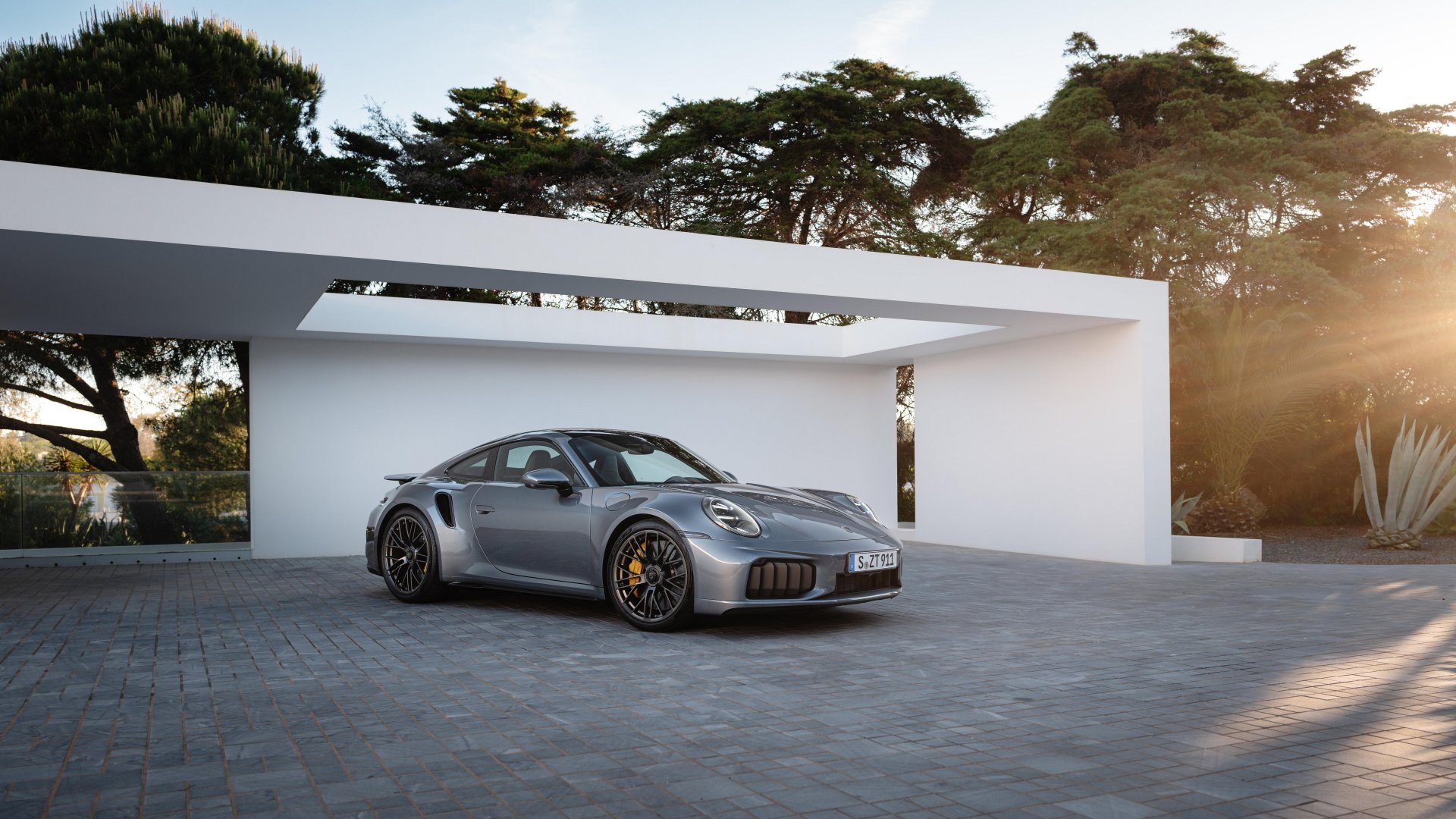
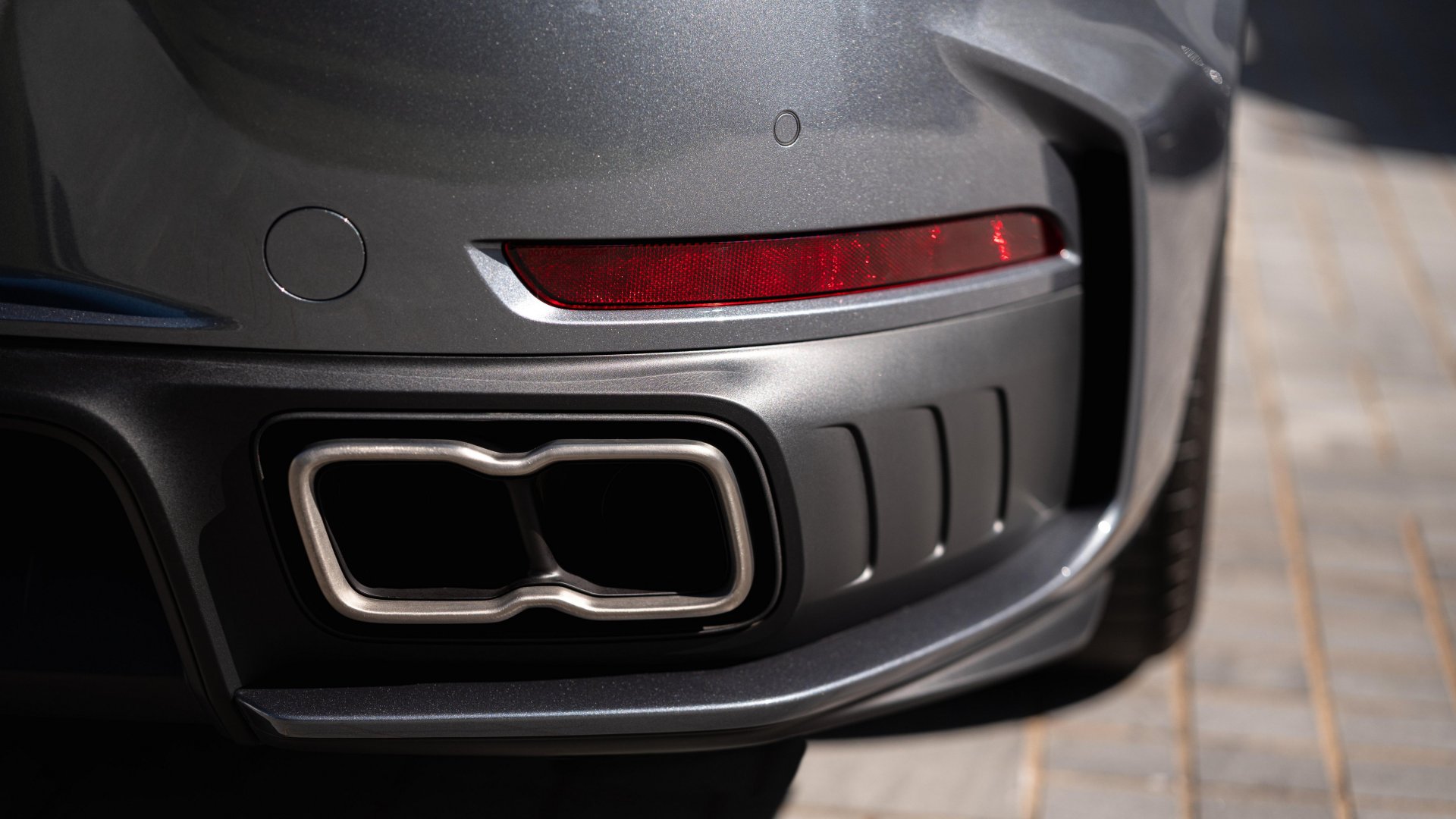
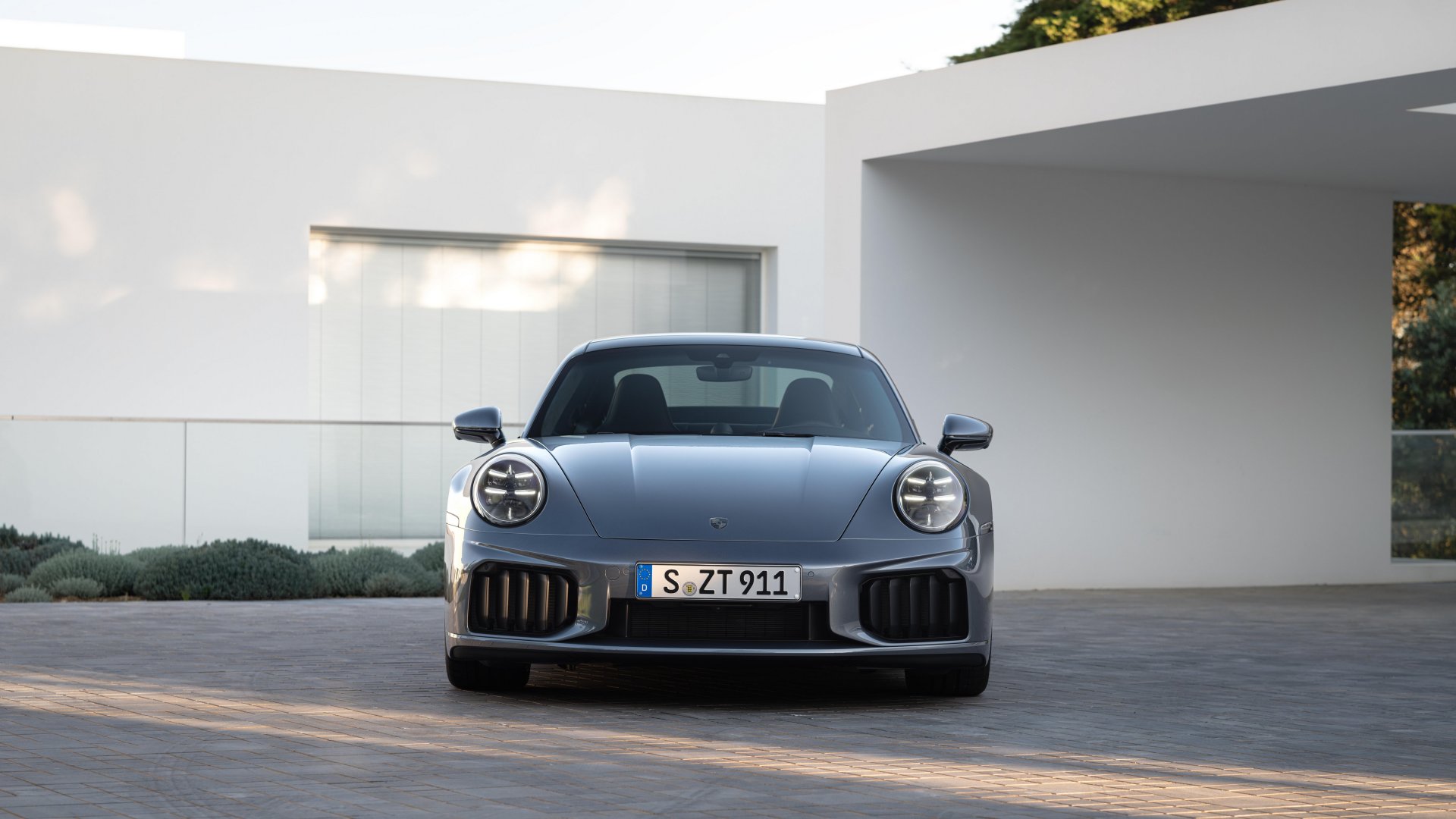
This is the first time Porsche’s cross-model Turbo design language has appeared on a 911, and it’s an easy call to spot. The anthracite Turbonite finish shows up on the rear wing slats, the side window surrounds, the crest badges and the centre-lock wheels — it’s the new house colour for anything wearing a Turbo badge, and it gives the car a much more deliberate, differentiated look next to a standard Carrera. The body itself is wider than ever: front arches grow 45 mm over the Carrera, rear arches by 20 mm, with fresh air vents in the redesigned rear section to emphasise the extra width. Up front, all the lighting functions — main beam, dipped beam, indicators — are now folded into the main headlight housings, freeing up room for bigger cooling intakes and keeping the signature four-point light graphic active in every mode.
PERFORMANCE & POWERTRAIN
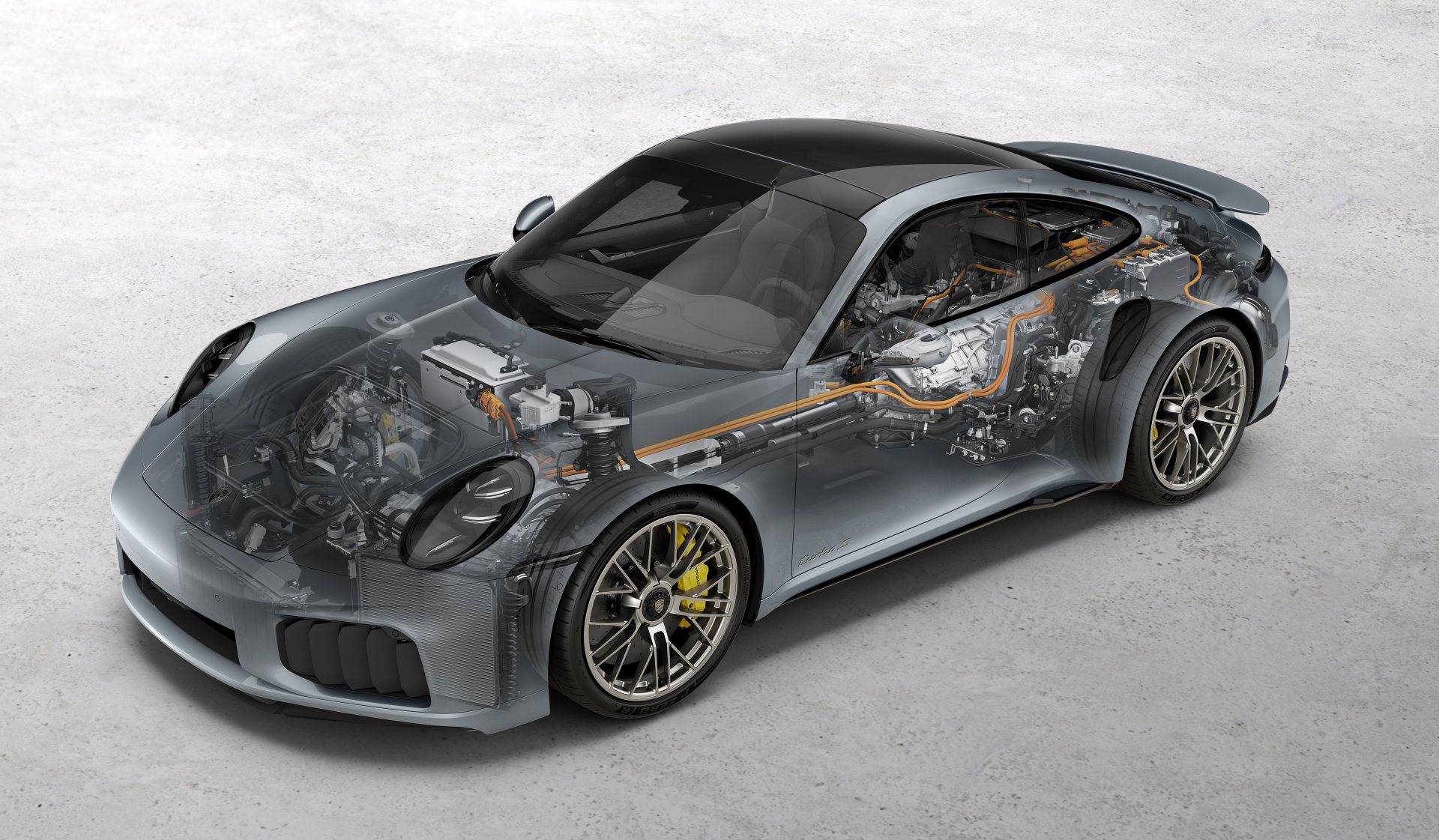
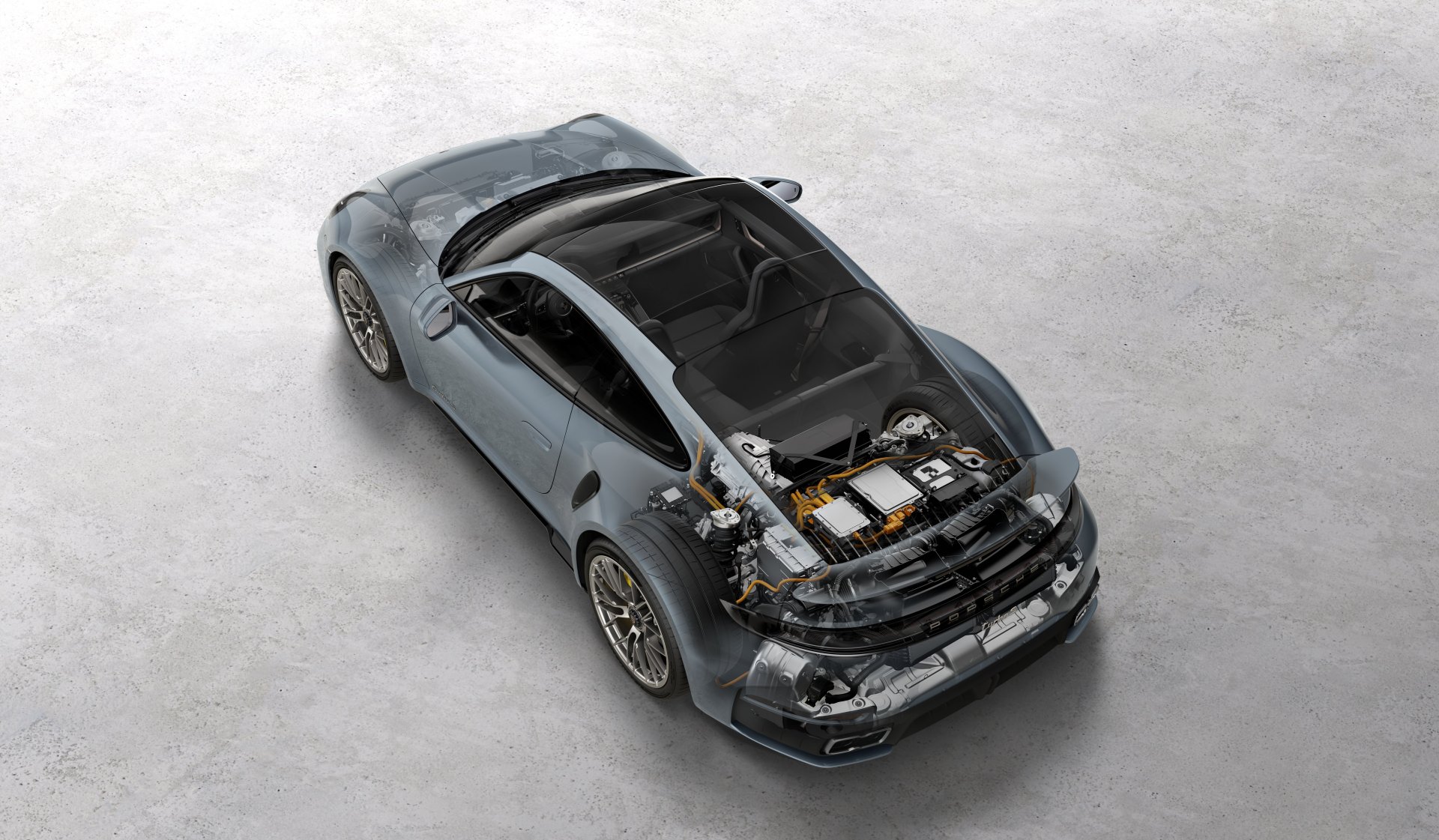
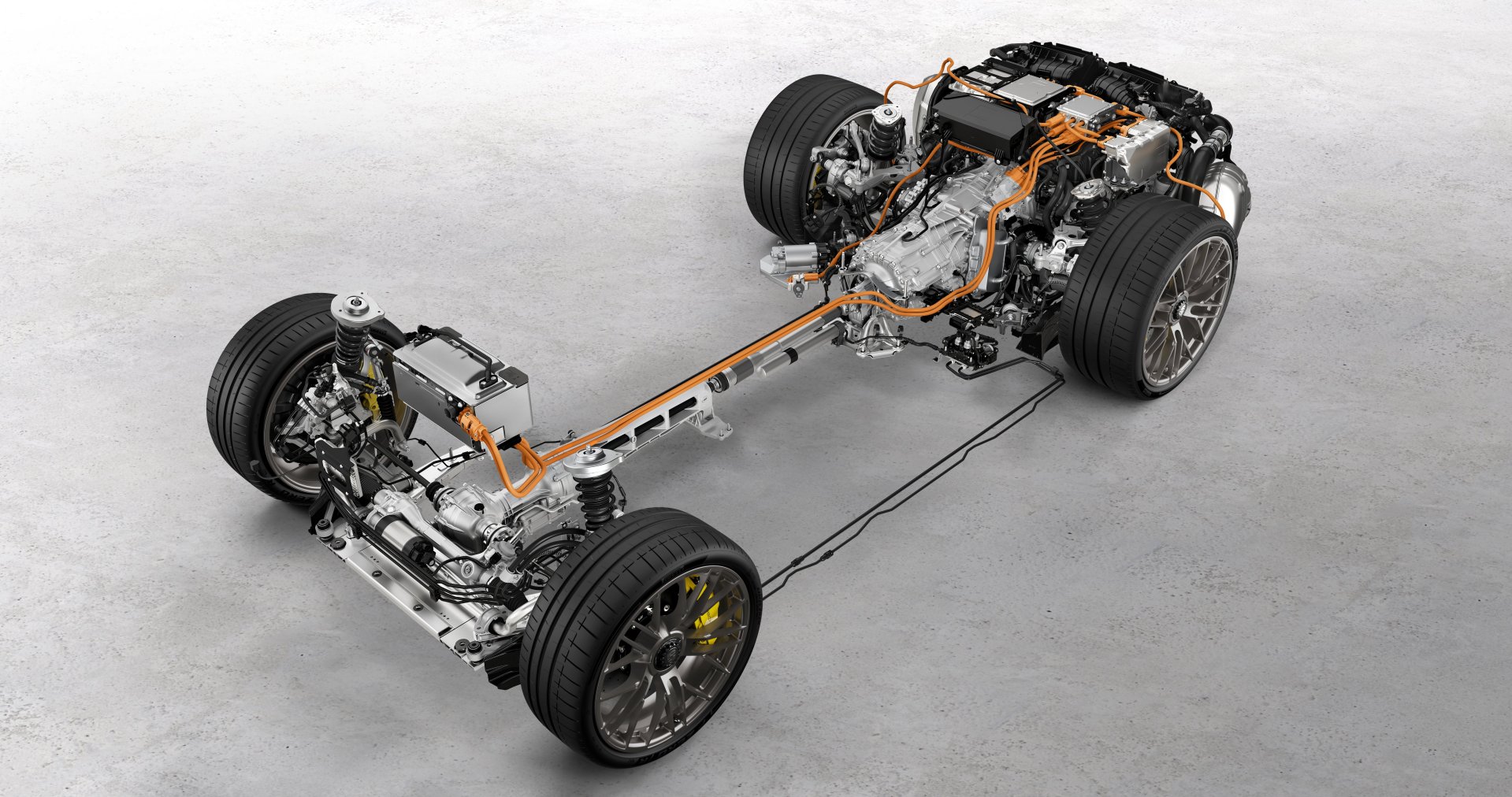
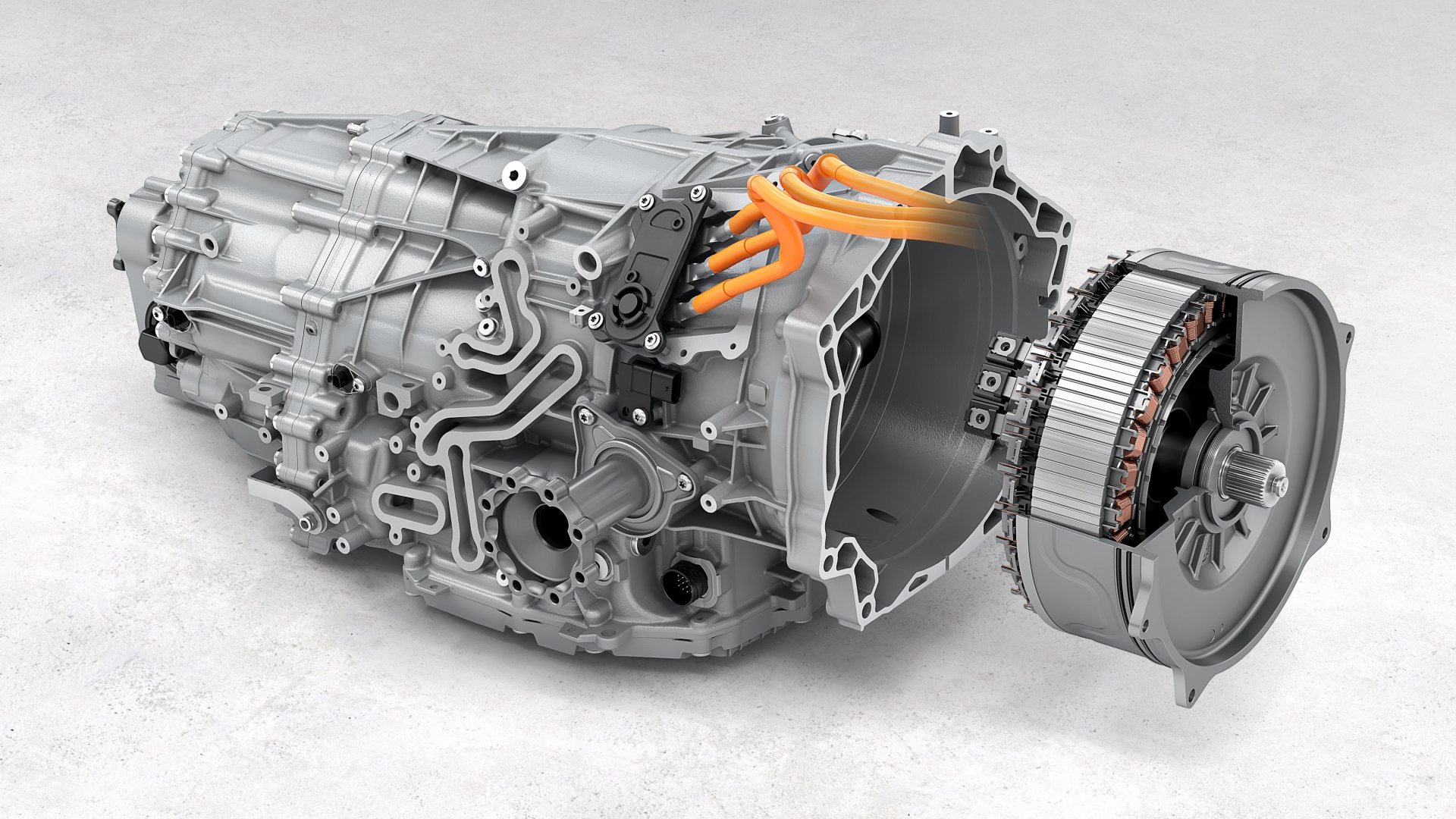
The headline act is the T-Hybrid system, expanded here from the single-eTurbo setup in the 911 Carrera GTS to a twin-eTurbo configuration. Each turbo carries its own integrated electric motor sitting directly on the turbo shaft, meaning boost builds almost instantly regardless of engine load, and there’s no need for a wastegate or variable turbine geometry; the electric motors regulate boost pressure directly and can recover energy from the exhaust flow instead of just venting it. Add in the motor built into the PDK housing, fed by a compact 1.9 kWh high-voltage battery mounted up front for weight balance, and the combined system produces 523 kW (711 PS) and 800 Nm — a 61 PS jump over the previous Turbo S.
The numbers back it up: 0-100 km/h arrives in 2.5 seconds, 0-200 km/h in 8.4 seconds, and top speed lands at 322 km/h. On the Nürburgring-Nordschleife, Porsche’s own lap time of 7:03.92 is about 14 seconds quicker than the previous-generation car — a huge jump for a model that was already near the top of its class.
ENGINE & PERFORMANCE
3.6L twin-turbo flat-six + T-Hybrid
System output: 523 kW / 711 PS
Combustion-only output: 471 kW / 640 PS
Max torque: 800 Nm (2,300–6,000 rpm)
EFFICIENCY
Fuel consumption combined: 11.7–11.5 l/100km
CO2 combined: 266–261 g/km
CO2 class: G
DIMENSIONS & WEIGHT
Weight increase vs. predecessor: +85 kg
0-100 km/h: 2.5 sec
0-200 km/h: 8.4 sec
Top speed: 322 km/h
HYBRID SYSTEM
High-voltage battery: 1.9 kWh, 216 cells
Voltage: 400V
PDK motor: up to 60 kW
eTurbo count: 2
SAFETY, BRAKES & TRACK-READY TECH
Braking
- Porsche Ceramic Composite Brakes (PCCB) standard
- 420 mm front ceramic brake discs
- 410 mm rear ceramic brake discs
- 10-piston front aluminum monobloc calipers
- 4-piston rear calipers
- Anti-lock Braking System (ABS)
- Porsche Stability Management (PSM)
- Electronic Brake-force Distribution (EBD)
- Brake Assist
Chassis & Suspension
- Lightweight aluminum/steel construction
- High-rigidity rear-engine platform
- Optimized weight distribution
- Low center of gravity
- Performance-focused structure
- Porsche Active Suspension Management (PASM)
- Adaptive air suspension
- Porsche Dynamic Chassis Control (PDCC)
- Rear-axle steering
- Adaptive dampers
- Adjustable ride height
- Active anti-roll system
- Drive modes: Normal, Sport, Sport Plus
Cabin Tech
- Porsche Active Aerodynamics (PAA)
- Active front spoiler
- Adaptive rear wing
- Porsche Torque Vectoring Plus (PTV+)
- Active engine mounts
- Porsche Communication Management (PCM)
- 12.6-inch curved digital instrument cluster
- 10.9-inch touchscreen infotainment system
- Wireless Apple CarPlay
- Android Auto
- Voice control
- Cloud navigation
- Over-the-air software updates
- 360° camera system
- Adaptive cruise control
- Lane Change Assist
- Lane Keeping Assist
- Night Vision Assist (optional)
- LED Matrix headlights
- Keyless entry and start
COMPETITORS
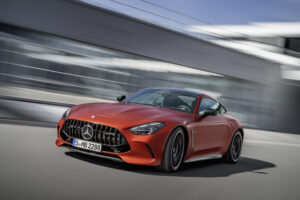
Mercedes-AMG GT 63 S E Performance— ★★★★☆ 9.0/10closest rival in outright hybrid performance, though it leans harder into GT comfort than outright agility
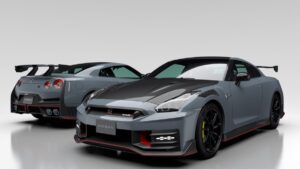
Nissan GT-R — ★★★★☆ 8.6/10 Japan’s long-running supercar icon, now entering its final chapters.
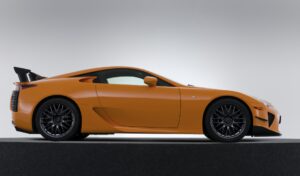 Lexus LFA — ★★★★★ 9.5/10 The spiritual predecessor — Toyota Group’s last V10 flagship, and a direct influence on the GR GT’s development philosophy.
Should You Buy the Toyota GR GT?
If you want a car that can be genuinely quick on a track day, comfortable enough for a long highway run, and distinctive enough to stand apart from every other 911 on the road, the 2026 Turbo S delivers on all three without much compromise. The hybrid system doesn’t just pad the spec sheet — it measurably improves how the car drives.
✅ Buy it if:
- You want the most complete, do-everything 911 Porsche has ever built
- Outright pace and Nürburgring-level chassis ability matter to you
- You want to stand out from the regular 911 range with Turbo-exclusive styling
❌ Skip it if:
- Fuel economy and running costs are a real concern
- You’d rather have a lighter, simpler, non-hybrid sports car
- You’re cross-shopping on price against non-hybrid rivals